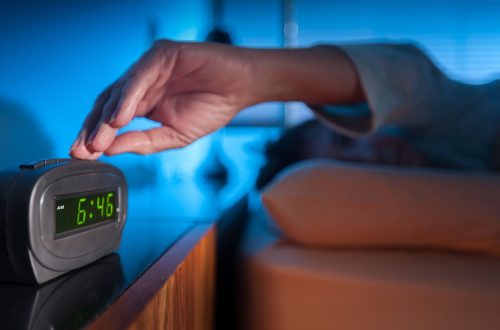
Sleep used to feel effortless, something my body naturally slipped into at the end of the day, but over time that changed without me fully noticing why. Nights became longer, rest became lighter, and mornings felt heavier than they should have. I started connecting the dots between my habits and how I felt, and one pattern stood out clearly: the more time I spent staring at screens, the worse my sleep became.
The Silent Shift in My Night Routine
Evenings gradually turned into a blur of scrolling, watching, and tapping. What started as a quick check of messages or a short video easily stretched into hours without me realizing it. I would tell myself I was relaxing, but my mind didn’t feel calm at all when I finally tried to sleep.
The glow from my phone became the last thing I saw before closing my eyes. It didn’t seem harmful at first, especially since everyone else around me was doing the same thing. Over time, though, I noticed I wasn’t just staying up later. I was also struggling to fall asleep even after putting my phone down.
Why Screens Mess With Sleep More Than I Expected
The issue isn’t just about time slipping away. Screens actively interfere with how the body prepares for rest. Light from devices, especially the blue light, sends signals to the brain that it’s still daytime.
That signal delays the release of melatonin, the hormone that helps regulate sleep. Without enough melatonin at the right time, the body doesn’t fully switch into sleep mode. I began to realize that even if I felt tired, my brain was still wired as if it were midday.
The content I consumed didn’t help either. Fast-paced videos, endless feeds, and constant notifications kept my mind alert. Instead of winding down, I was unknowingly stimulating my brain right before trying to sleep.
The Trap of “Just One More Scroll”
I often told myself I would stop after one more video or one more post. That promise rarely held up. Each swipe brought something new, making it hard to disengage.
This cycle created a habit loop that was difficult to break. My brain started associating nighttime with stimulation instead of rest. Even when I put my phone down, my thoughts kept racing, replaying things I had just seen.
It became clear that the issue wasn’t a lack of discipline. The platforms were designed to keep me engaged, and I had fallen into that design without realizing it.
How My Sleep Quality Changed Without Me Noticing
At first, I thought I was just getting fewer hours of sleep. Eventually, I realized the problem ran deeper. Even when I managed to sleep for a decent number of hours, I still woke up feeling tired.
My sleep felt lighter and more fragmented. I would wake up during the night or toss and turn more than before. Mornings became a struggle, and I relied more on alarms and caffeine just to function.
This shift didn’t happen overnight. It built slowly, which made it easy to ignore. Looking back, the connection between screen time and sleep quality became impossible to deny.
The Mental Impact That Followed
Poor sleep doesn’t stay contained to the night. It spills into everything else. My mood became more unstable, and small things started to feel overwhelming.
Focus became harder to maintain, and productivity dropped. Tasks that once felt simple required more effort. I found myself more irritable, even in situations that wouldn’t normally bother me.
The constant cycle of late nights and tired days created a feedback loop. I felt too drained to change my habits, which only made the problem worse.
Why Cutting Screen Time Felt So Difficult
Deciding to reduce screen time sounded simple in theory. In practice, it felt surprisingly hard. Screens had become my default way to relax, connect, and even escape.
Letting go of that habit meant facing quiet moments that I wasn’t used to anymore. It also meant breaking routines that had become automatic. Reaching for my phone at night felt almost instinctive.
There was also the fear of missing out. Notifications, updates, and messages made it feel like I needed to stay connected. Turning off my screen felt like disconnecting from everything else.
The First Changes I Tried
I didn’t make drastic changes right away. Instead, I started with small adjustments. One of the first things I did was set a cutoff time for screen use at night.
At first, it was just 15 minutes earlier than usual. That small shift made it easier to stick with. Over time, I gradually extended that cutoff, giving my mind more space to unwind before bed.
I also started noticing how I felt on nights when I reduced screen time. Even slight improvements in how quickly I fell asleep encouraged me to keep going.
Replacing Screens With Better Habits
Simply removing screen time left a gap that needed to be filled. Without a replacement, it was easy to fall back into old habits. I began experimenting with different ways to wind down.
Reading became one of the most effective alternatives. It gave my mind something to focus on without overstimulation. Writing down thoughts also helped clear mental clutter before bed.
Other simple activities like stretching or listening to calm music created a transition from a busy day to a restful night. These habits didn’t feel forced, which made them easier to maintain.
Creating a Sleep-Friendly Environment
The environment played a bigger role than I expected. I started paying attention to lighting, noise, and even the placement of my phone.
Keeping my phone out of reach reduced the temptation to check it. Dimming lights in the evening signaled to my body that it was time to wind down. Small changes like these added up quickly.
A consistent environment made it easier for my brain to associate my space with rest. Over time, this helped improve how quickly I could fall asleep.
Setting Boundaries With Technology
Setting limits with technology required intention. I began turning off non-essential notifications during the evening. This reduced interruptions and the urge to constantly check my phone.
I also used features that limit screen time or remind me to take breaks. These tools acted as gentle nudges rather than strict restrictions. They helped me stay aware of how much time I was spending on my devices.
Boundaries didn’t mean completely avoiding screens. It meant using them more consciously, especially during hours that should be dedicated to rest.
The Role of Consistency
Consistency made the biggest difference over time. Going to bed at the same hour each night helped regulate my internal clock. Pairing that with reduced screen exposure created a stronger routine.
Even on days when I felt tempted to go back to old habits, sticking to a consistent schedule helped maintain progress. It wasn’t about perfection but about building a pattern.
Over time, the effort required to maintain these habits decreased. What once felt like a challenge gradually became second nature.
What Changed After Reducing Screen Time
The improvements didn’t happen instantly, but they were noticeable. I began falling asleep faster and waking up less during the night. Mornings felt less heavy, and I needed less time to feel fully awake.
My energy levels became more stable throughout the day. I also noticed improvements in focus and mood. Tasks felt more manageable, and I didn’t feel as overwhelmed.
These changes reinforced the importance of what I was doing. The connection between screen habits and sleep became clearer with each passing day.
Practical Steps That Made the Biggest Difference
Several actions stood out as especially effective. Setting a clear cutoff time for screens created structure in my evenings. Replacing screen time with calming activities helped maintain that structure.
Adjusting my environment supported these habits. Keeping devices away from my bed reduced temptation and improved sleep quality. Turning off notifications minimized distractions.
These steps didn’t require drastic lifestyle changes. They were simple adjustments that fit into daily life while producing meaningful results.
Why Awareness Matters More Than Rules
Strict rules often felt restrictive and hard to maintain. Awareness, on the other hand, created lasting change. Paying attention to how screen time affected my sleep helped guide my decisions.
Instead of forcing myself to stop using screens, I started asking whether a habit was helping or hurting me. That shift in perspective made it easier to make better choices.
Awareness also made it easier to adjust when needed. If I noticed my sleep slipping again, I could quickly identify what needed to change.
Finding Balance Instead of Eliminating Screens
Completely removing screens from my life wasn’t realistic. They are part of how I work, communicate, and relax. The goal became balance rather than elimination.
Using screens earlier in the evening and limiting them closer to bedtime created that balance. It allowed me to enjoy the benefits of technology without sacrificing sleep.
This approach felt sustainable. It didn’t rely on extreme restrictions, making it easier to maintain over time.
What I Would Tell Anyone Struggling With Sleep
Sleep issues can feel frustrating and difficult to fix. It’s easy to overlook habits that seem harmless, like scrolling before bed. However, small changes can have a significant impact.
Reducing screen time doesn’t require perfection. Starting with small adjustments can lead to noticeable improvements. The key is consistency and awareness.
Paying attention to how habits affect sleep can guide better decisions. Over time, those decisions can transform not just sleep but overall well-being.
A New Relationship With My Nights
Nights no longer feel like a battle between exhaustion and stimulation. They have become a time to slow down and reset. That shift didn’t happen instantly, but it was worth the effort.
The connection between screen time and sleep is stronger than it seems. Recognizing that connection was the first step toward change. Taking action turned that awareness into results.
Better sleep didn’t come from a single change. It came from a series of small, intentional choices that gradually reshaped my routine.